


Building a Circle of Protection: Empowering Youth Against Bullying and Exclusion

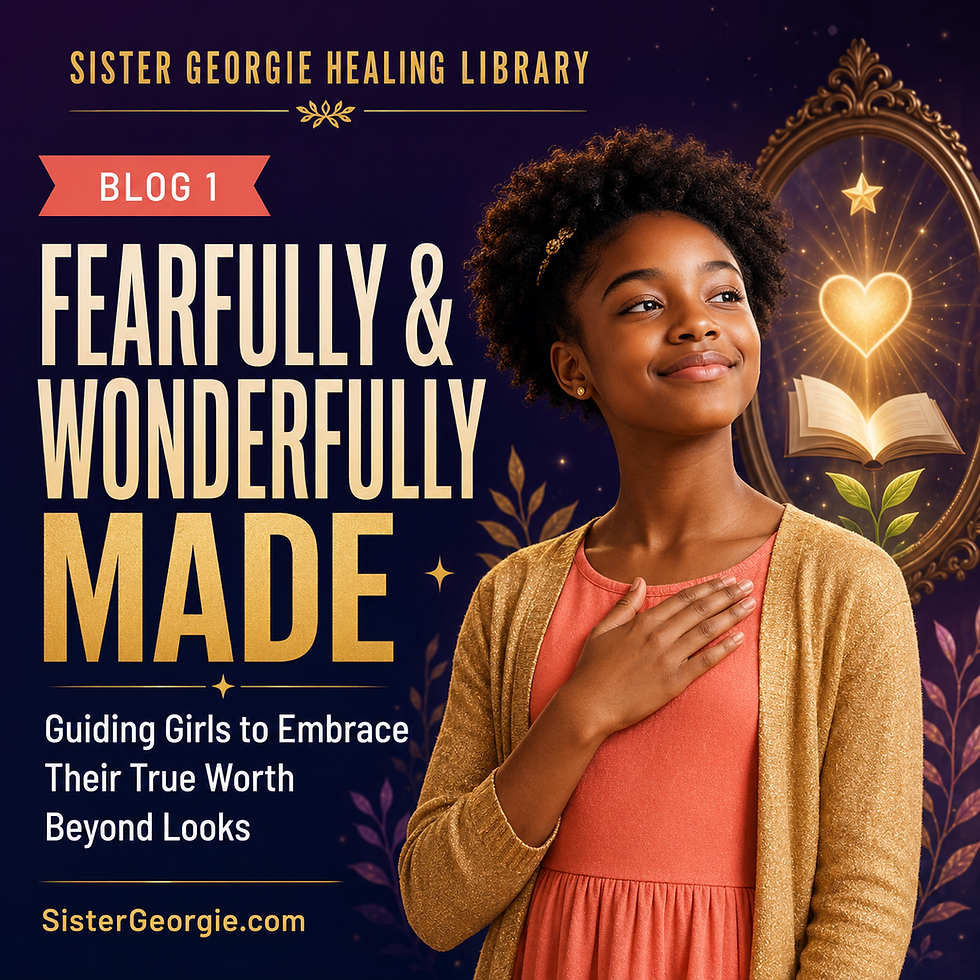
Bullying and exclusion are harsh realities many young people face today, both in person and online. These experiences can deeply affect their emotional well-being, self-esteem, and sense of belonging. When children encounter cruelty, it can feel overwhelming and isolating. Yet, no child’s worth is ever defined by the unkind actions or words of others. Psalm 139:14 reminds us that each person is “fearfully and wonderfully made,” a truth that stands firm against any form of rejection or harm.

This post explores how bullying, cyberbullying, exclusion, rumors, public embarrassment, friendship conflicts, and online comparison impact youth. It also highlights the roles of everyone involved—targeted children, those causing harm, bystanders, parents, schools, faith communities, and online platforms—in creating a safer environment. Finally, it offers practical steps families can take to protect their children and build a strong circle of support.
How Bullying and Exclusion Affect Young People
Bullying takes many forms. It can be physical, verbal, social, or digital. Cyberbullying, in particular, extends cruelty beyond the schoolyard into the home, making it harder for young people to find refuge. Exclusion and rumors damage friendships and trust, while public embarrassment can leave lasting scars on a child’s confidence.
These experiences often lead to feelings of loneliness, anxiety, and depression. When children compare themselves to others online, they may feel inadequate or invisible. The emotional toll can affect their school performance, relationships, and overall happiness.
It is important to remember that emotional crises are complex. While bullying contributes to distress, it is never the sole cause of a young person’s struggles. Compassionate, responsible responses are essential to support healing and growth.
Understanding the Roles in Harmful Behavior
Addressing bullying requires recognizing the different roles involved:
Targeted Child: The young person experiencing harm needs empathy, validation, and protection.
Child Causing Harm: Often acting out of their own pain or insecurity, these children need guidance and accountability.
Bystanders: Peers who witness bullying can either contribute to the problem or help stop it by speaking up or supporting the targeted child.
Parents: They play a critical role in listening, advocating, and teaching resilience.
Schools: Responsible for creating safe environments, enforcing policies, and providing emotional support.
Faith Communities: Offer spiritual encouragement, a sense of belonging, and moral guidance.
Online Platforms: Must provide tools to report abuse, block harmful users, and protect privacy.
Each group has a part in breaking the cycle of harm and building a culture of kindness and inclusion.
A Family’s Age-Appropriate Response Plan
When a child faces bullying or exclusion, families can follow these steps to respond effectively:
Listen Without Blame
Create a safe space for your child to share their experience openly, without fear of judgment.
Preserve Relevant Evidence
Keep screenshots, messages, or notes that document incidents.
Document Dates and Incidents
Write down what happened, when, and who was involved to provide clear information if needed.
Contact the Appropriate School or Organization
Reach out to teachers, counselors, or administrators to report concerns and seek support.
Review Online Privacy and Blocking Tools Together
Help your child adjust privacy settings and block harmful contacts on social media and apps.
Identify Trusted Adults
Encourage your child to know who they can turn to at school, in the community, or at home.
Arrange Professional Support When Needed
If emotional distress persists, seek help from counselors, therapists, or support groups.
Families should avoid encouraging retaliation or public shaming, which can escalate conflict and harm.
The Circle of Protection Activity
This simple exercise helps young people identify their support network and feel more secure:
Draw a large circle on a piece of paper.
Inside the circle, write or draw five people or places where you feel safe and cared for.
These can include family members, friends, teachers, a favorite room, or a community center.
Talk about why these people or places feel safe.
Keep this circle visible as a reminder of your support system.
This activity empowers children to recognize their resources and strengthens their resilience.
Questions Parents Should Ask Schools
When working with schools to address bullying, parents can ask these important questions:
How do you report bullying incidents, and what is the process for follow-up?
What measures are in place to protect confidentiality for the child involved?
What emotional support services are available for students who experience bullying?
How do you ensure protection from retaliation after a report is made?
How do you involve parents and guardians in resolving bullying situations?
Clear communication with schools helps families feel confident that their child’s safety and well-being are priorities.
Creating a Culture of Belonging in Our Communities
Mount Vernon and Westchester County have the opportunity to lead by example in defending every child’s right to feel included and valued. This means fostering environments where kindness is the norm, differences are celebrated, and no child is left to face cruelty alone.
Faith communities, schools, families, and local organizations can work together to build this culture. When children hear “You belong here,” they carry that assurance into every part of their lives.
Building a circle of protection around our youth is a shared responsibility. By understanding the impact of bullying and exclusion, recognizing the roles we each play, and taking practical steps to support young people, we can help them shine brightly despite challenges. Every child deserves to feel safe, loved, and valued—let’s commit to making that a reality in our communities.



Comments